
Uttar Pradesh

Uttar Pradesh, situated in the heart of northern India along the fertile Indo-Gangetic Plain, is the country’s most populous state and its preeminent cultural and spiritual nucleus. Marked by thousands of years of layered history, literature, philosophy, and architectural evolution, the state encompasses an extraordinary continuum of traditions—from the Vedic age and the great epics of the Ramayana and Mahabharata to classical Awadhi refinement and Mughal imperial grandeur.

The Great Sacred Riverfronts: Varanasi and Prayagraj

The spiritual identity of Uttar Pradesh is inextricably bound to its sacred river systems, most notably the Ganga and Yamuna.

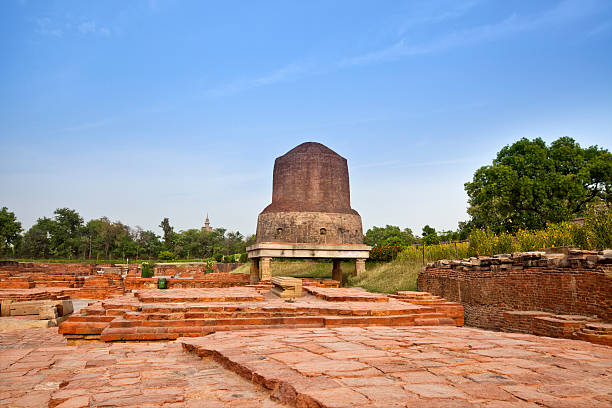
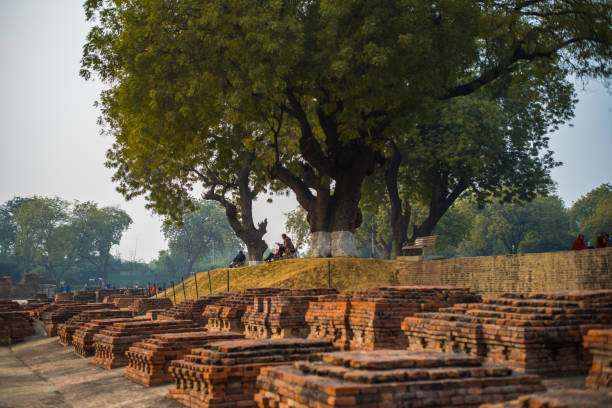
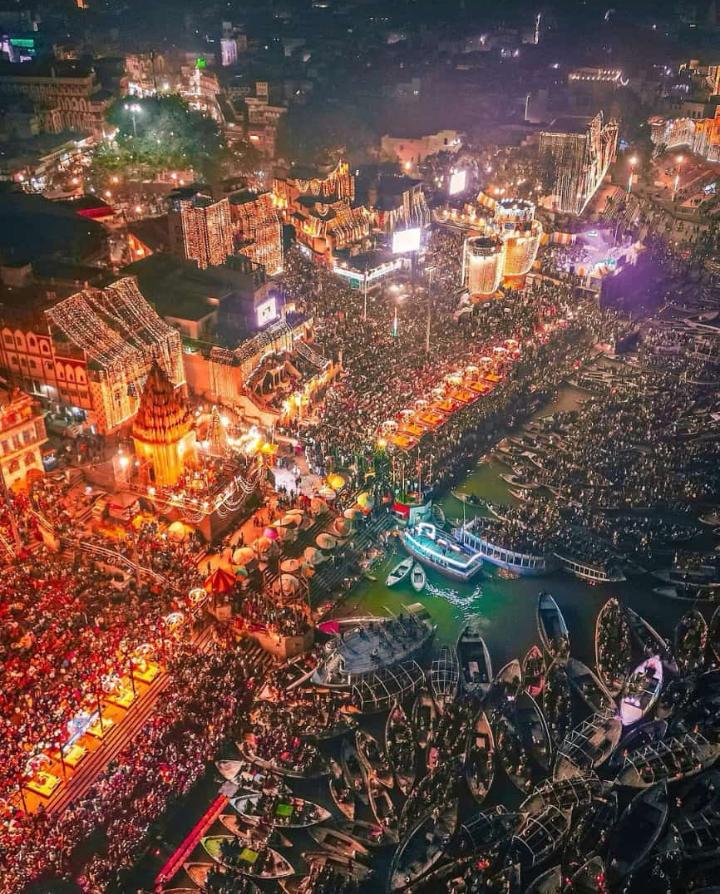
  • Varanasi (Kashi): One of the world’s oldest living cities, Varanasi stands as the spiritual capital of India. Believed to rest upon the trident of Lord Shiva, it centers around the revered Kashi Vishwanath Jyotirlinga and roughly 84 stone ghats stretching along the crescent bend of the Ganga. From the mesmerizing evening Ganga Aarti at Dashashwamedh Ghat to the solemn cremation fires of Manikarnika Ghat symbolizing liberation (moksha), Kashi encapsulates the cycle of life, death, and timeless transcendence. Just outside lies Sarnath, where Gautama Buddha delivered his first sermon.
  • Prayagraj (Allahabad): Known as the "King of Pilgrimage Sites" (Tirtharaj), Prayagraj is celebrated for the Triveni Sangam—the confluence of the Ganga, Yamuna, and mythical Saraswati rivers. It hosts the world-renowned Kumbh Mela and Maha Kumbh, gatherings of immense scale and ritual significance. Beyond its spiritual gravity, Prayagraj has long served as a vital intellectual hub, home to the historic Allahabad High Court and Anand Bhavan, a cornerstone of India’s freedom movement.

The Ramayana Epicenter: Ayodhya and Chitrakoot

Uttar Pradesh serves as the narrative landscape for Lord Rama’s life, journey, and spiritual ideals.

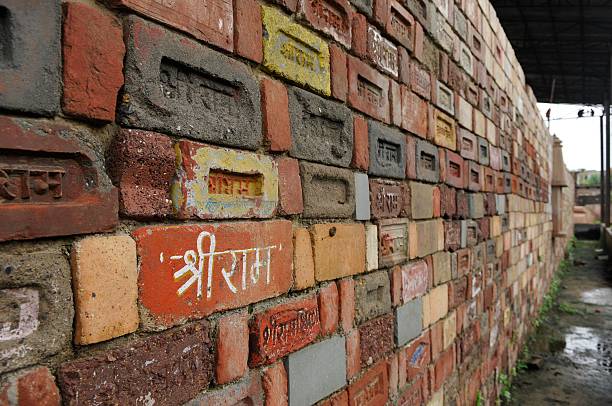
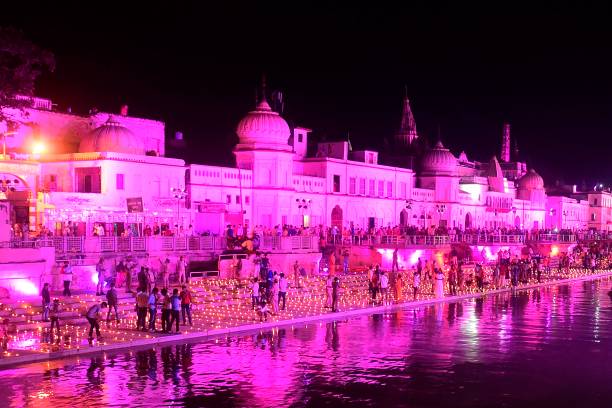
  • Ayodhya: Perched on the banks of the Saryu River, Ayodhya is the ancient capital of the Kosala Kingdom and the revered birthplace of Lord Rama. Centered on the newly constructed Nagara-style Shri Ram Janmabhoomi Mandir, Hanuman Garhi, and the grand Saryu ghats celebrated during Deepotsav, Ayodhya embodies the ethos of Ramrajya—a benchmark of just, ethical governance.
  • Chitrakoot: Nestled in the forested, boulder-strewn hills of the northern Bundelkhand region, Chitrakoot is the sacred wilderness where Lord Rama, Sita, and Lakshmana spent over eleven years of their fourteen-year exile. Anchored by the Mandakini River, sites like Ramghat, Kamadgiri (the sacred hill circled by pilgrims), Sphatik Shila, and Gupt Godavari preserve the quiet, contemplative austerity of hermitages associated with sage Atri and Anasuya.

The Abode of Devotion: Mathura and Vrindavan

On the western flank of the state lies the sacred region of Braj Bhoomi, saturated with the lore, music, and divine play (leela) of Lord Krishna.

  • Mathura: The historic birthplace of Krishna, Mathura centers around the Shri Krishna Janmabhoomi complex and historic ghats like Vishram Ghat along the Yamuna. It was also an ancient center of sculpture during the Kushan Empire, pioneering distinctive red sandstone iconography.
  • Vrindavan: Located just a few kilometers away, Vrindavan is where Krishna spent his pastoral youth. Dotted with thousands of shrines—including the iconic Banke Bihari Temple, Radha Raman Temple, Prem Mandir, and the historic forest of Nidhivan—it remains an epicenter of Vaishnavite bhakti, devotional poetry, and lively festivals such as Holi and Janmashtami.

Centers of Ascetic Wisdom and Shakti: Naimisharanya and Vindhyachal Mandir

Beyond the major pilgrimage cities, the state's interior holds deep roots in Vedic scholarship and esoteric Shakti worship.

  • Naimisharanya (Neemsar): Located in the Sitapur district along the Gomti basin, this ancient forest hermitage is hailed in the Puranas as a cosmic powerhouse where Maharishi Ved Vyasa organized the Vedas and where Sage Suta narrated the 18 Mahapuranas to an assembly of 88,000 rishis. Anchored by the mystical circular water body Chakra Tirth, Lalita Devi Temple, and Vyas Gaddi, Naimisharanya remains a profound monument to India's oral intellectual and scriptural tradition.
  • Vindhyachal Mandir (Mirzapur): Resting in the northern Vindhya Range along the Ganga, Vindhyachal is a revered Shaktipeeth dedicated to Goddess Maa Vindhyavasini. According to belief, the deity took permanent abode here after vanquishing the demon Mahishasura. Together with nearby Kali Khoh and Ashtabhuja Temple, it forms the sacred Trikon Parikrama, drawing seekers of spiritual resolve and tantric devotion.

Imperial Splendor and Courtly Elegance: Agra and Lucknow

Uttar Pradesh is equally renowned for its monumental secular history, medieval architecture, and refined courtly arts.

  • Agra: Situated along the Yamuna in western Uttar Pradesh, Agra served as the imperial capital of the Mughal Empire at the height of its power. It is internationally celebrated for three UNESCO World Heritage Sites: the Taj Mahal, Shah Jahan’s peerless white-marble monument to love; the imposing red sandstone Agra Fort; and nearby Fatehpur Sikri, Emperor Akbar’s masterfully planned ghost city.
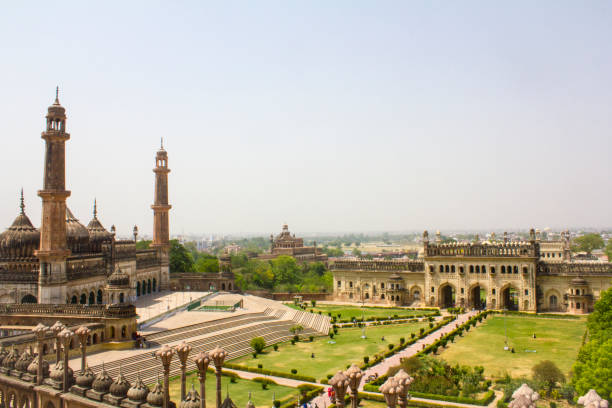
  • Lucknow: The capital city of modern Uttar Pradesh, Lucknow flourished under the Nawabs of Awadh as a capital of syncretic Ganga-Jamuni Tehzeeb (composite North Indian culture). Renowned for its polite linguistic etiquette, classical Kathak dance, and world-famous Awadhi cuisine, its cityscape is crowned by Indo-Islamic architectural feats such as the Bara Imambara (with its legendary pillarless central hall and Bhool Bhulaiya labyrinth), Chota Imambara, and Rumi Darwaza.

From the forest retreats of Naimisharanya and Chitrakoot to the architectural masterpieces of Agra, and from the sacred confluences of Varanasi and Prayagraj to the devotional melodies of Vrindavan and the aristocratic grace of Lucknow, Uttar Pradesh represents the broad philosophical, artistic, and historical soul of India.


Destination:
Uttar Pradesh
Population:
24.35 to 24.39 crore
Capital City:
Lucknow
Language:
Hindi, Urdu, Awadhi, Bhojpuri, Braj Bhasha, Bundeli, Khari Boli / Kauravi, Kannauji
Currency:
₹ Indian National Currency

Available Tours in Uttar Pradesh

Explore the best tours available for this destination
Short Trip Varanasi - 2N (Copy)
29 DAYS / 28 Nights

Short Trip Varanasi - 2N (Copy)

UTTAR ZURICH UTTAR UTTAR THU
Starting From:
$10,499
TAXES INCL/PERS
Book A Trip
Short Trip Varanasi - 2N
29 DAYS / 28 Nights

Short Trip Varanasi - 2N

UTTAR ZURICH UTTAR UTTAR THU
Starting From:
$10,499
TAXES INCL/PERS
Book A Trip

Join The Newsletter

To receive our best monthly deals